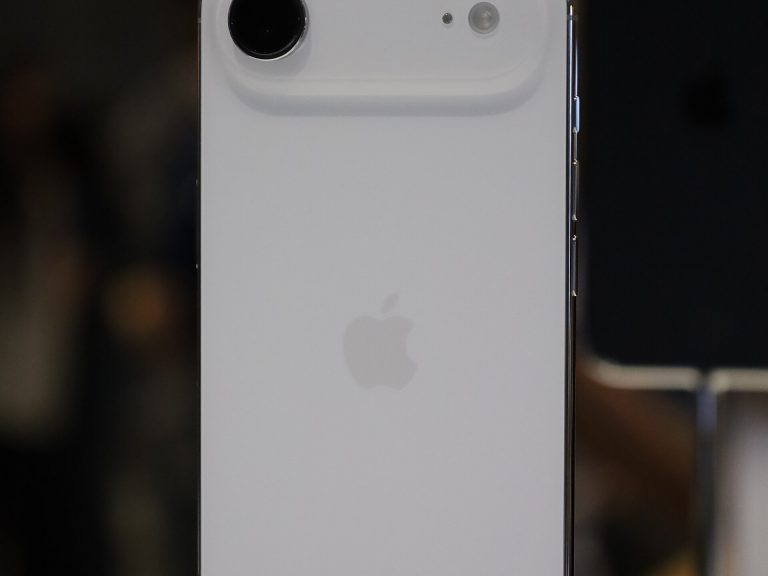
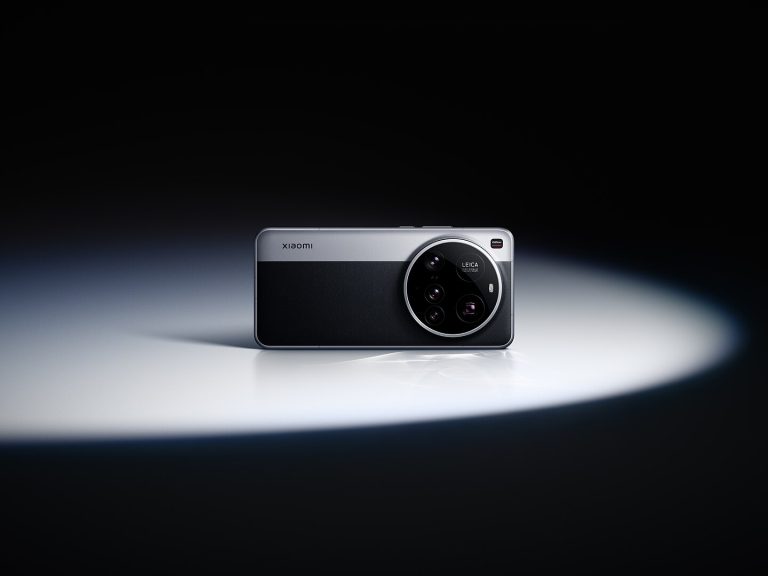
iPhone Air vs Xiaomi 15 Ultra
The iPhone Air and the Xiaomi 15 Ultra sit in the same flagship smartphone class, but Apple and Xiaomi don’t always agree on what matters most. This one has a front-runner. The Xiaomi 15 Ultra wins 4 of 5 compared areas, and memory & storage is where the difference is hardest to miss.
At a glance
- Display Xiaomi 15 Ultra wins
- Performance Tie
- Memory & Storage Xiaomi 15 Ultra wins
- Camera Xiaomi 15 Ultra wins
- Battery & Charging Xiaomi 15 Ultra wins
- Display6.2
- Memory & Storage4.5
- Camera1.6
- Display7.2
- Memory & Storage8.1
- Camera5.0
Spec scores (0 to 10) are calculated from manufacturer specs against other models in the same class. See how the formula works. They are not reviews or user ratings.
Key Differences
-
The iPhone Air has a 2.15 oz lighter build
For weight, the iPhone Air leads by a wide margin: 5.82 oz versus 7.97 oz. The iPhone Air is easier on your wrist during long reading or gaming sessions.
-
The Xiaomi 15 Ultra has 512 GB of base storage instead of 256 GB
This is a headline difference. With 512 GB to the iPhone Air’s 256 GB, the Xiaomi 15 Ultra has a lead that’s easy to see on paper and in practice. Base storage is what you get without paying extra. Photos, videos and apps add up quickly, so more space at the entry price is real value.
-
The Xiaomi 15 Ultra has an extra rear camera
Put simply, the Xiaomi 15 Ultra is far ahead here: 4 compared with 1. The count alone doesn’t guarantee quality, but the Xiaomi 15 Ultra gives you more lenses to choose from.
-
The iPhone Air has a 0.15 in slimmer body
The iPhone Air’s 0.22 in leaves the Xiaomi 15 Ultra’s 0.37 in well behind, so if this spec matters to you, the choice is easy. It’s a difference you mostly notice in the hand and in tight pockets.
-
The Xiaomi 15 Ultra has faster 80 W wireless charging
Not a close call. The Xiaomi 15 Ultra lists 80 W and the iPhone Air lists 20 W. That’s a substantial gap. If you rely on a wireless pad at your desk or bedside, the Xiaomi 15 Ultra refills quicker there.
Design & Size
- iPhone Air 6.15 in × 2.94 in × 0.22 in
- Xiaomi 15 Ultra 6.35 in × 2.96 in × 0.37 in
By the manufacturer’s measurements, the iPhone Air is the more compact phone, and the Xiaomi 15 Ultra the larger one. The iPhone Air weighs 2.15 oz less than the Xiaomi 15 Ultra. Thickness goes to the iPhone Air, with an advantage of 0.15 in.
Design & Build
| Spec | iPhone Air | Xiaomi 15 Ultra |
|---|---|---|
| Height | 6.15 in | 6.35 in |
| Width | 2.94 in | 2.96 in |
| Thickness | 0.22 in (winner) Slimmest in class | 0.37 in Thickest in class |
| Weight | 5.82 oz (winner) | 7.97 oz |
| Water & dust rating | IP68 | IP68 |
| Frame | Titanium | Aluminum |
Display
Xiaomi 15 Ultra leads
In the display category, the Xiaomi 15 Ultra is a step ahead rather than a leap ahead. The Xiaomi 15 Ultra scores with 13% sharper pixel density. The Xiaomi 15 Ultra packs its pixels more tightly, which shows most in small text, fine patterns and zoomed-in photos. For anyone who cares most about display, the Xiaomi 15 Ultra is the safer choice.
Screen size
iPhone Air: 6.5 in Xiaomi 15 Ultra: 6.7 in Screen size is personal. If you watch a lot on your phone, the extra area pays off; if you text one-handed on the go, compact is kinder.
Pixel density
iPhone Air: 460 ppi Xiaomi 15 Ultra: 522 ppi Pixel density matters most if you hold your phone close or read a lot of small type; for casual use, the gap is subtle.
Performance
Too close to call
The performance section is even. Any gaps here are within the range you’d never notice. Both cover performance well enough that other priorities should break the tie.
CPU cores
iPhone Air: 6 Xiaomi 15 Ultra: 8 Core count on its own says little about speed; how the chip is designed and how fast each core runs matter more.
Memory & Storage
Xiaomi 15 Ultra leads
For memory & storage, the verdict is easy: the Xiaomi 15 Ultra leads, and not by a little. The Xiaomi 15 Ultra pulls ahead with 512 GB of base storage instead of 256 GB. The Xiaomi 15 Ultra starts with more room, which means fewer “storage full” warnings and less time deleting old videos. So if memory & storage tops your list, lean toward the Xiaomi 15 Ultra.
Base storage
iPhone Air: 256 GB Xiaomi 15 Ultra: 512 GB If you shoot a lot of video or keep music and maps offline, base storage is one of the specs you’ll feel most over the years.
Camera
Xiaomi 15 Ultra leads
Look at the camera table and one name keeps coming out on top: the Xiaomi 15 Ultra. The Xiaomi 15 Ultra comes with an extra rear camera. More cameras help most when each covers a different view, so check the table to see what the Xiaomi 15 Ultra’s extra lens adds. Weighing only camera, the Xiaomi 15 Ultra comes out ahead.
Rear cameras
iPhone Air: 1 Xiaomi 15 Ultra: 4 An extra rear camera usually means another focal length (ultra-wide, telephoto or macro) and more freedom in framing.
Front camera
iPhone Air: 18 MP Xiaomi 15 Ultra: 32 MP Front cameras are often an afterthought, so a higher-resolution sensor is a small but welcome edge for the Xiaomi 15 Ultra.
Battery & Charging
Xiaomi 15 Ultra leads
On balance, the Xiaomi 15 Ultra leads the battery & charging section, just not by much. In its favor, the Xiaomi 15 Ultra has faster 80 W wireless charging. Wireless charging is usually slower than a cable, so this edge matters mainly to people who value the convenience. The takeaway: on battery & charging, the Xiaomi 15 Ultra is the stronger phone.
Wireless charging
iPhone Air: 20 W Xiaomi 15 Ultra: 80 W Faster wireless charging makes a pad or stand more practical as your main way to top up.
Software & Updates
For software & updates, the differences are in the specifics (component names and types), so the table is the place to look.
Full Specifications
Display
| Spec | iPhone Air | Xiaomi 15 Ultra |
|---|---|---|
| Screen size | 6.5 in | 6.7 in |
| Panel type | OLED, ProMotion 120 Hz (Super Retina XDR) | LTPO AMOLED |
| Resolution | 2736 x 1260 | 3200 x 1440 |
| Pixel density | 460 ppi | 522 ppi (winner) Sharpest screen in class |
| Refresh rate | 120 Hz | 120 Hz |
| Peak brightness | 3,000 nits | 3,200 nits |
| Always-on display | Yes | N/A (not specified) |
Performance
| Spec | iPhone Air | Xiaomi 15 Ultra |
|---|---|---|
| Chipset | A19 Pro | Snapdragon 8 Elite |
| CPU cores | 6 | 8 |
| Process node | 3 nm | 3 nm |
| RAM | N/A (not specified) | 16 GB |
Memory & Storage
| Spec | iPhone Air | Xiaomi 15 Ultra |
|---|---|---|
| Base storage | 256 GB | 512 GB (winner) |
| Max storage | 1 TB | 1 TB |
| microSD slot | No | No |
Camera
| Spec | iPhone Air | Xiaomi 15 Ultra |
|---|---|---|
| Main camera | 48 MP | 50 MP |
| Ultra-wide camera | N/A (not specified) | 50 MP |
| Telephoto camera | N/A (not specified) | 200 MP |
| Optical zoom | N/A (not specified) | 4.3× |
| Rear cameras | 1 | 4 (winner) |
| Front camera | 18 MP | 32 MP (winner) |
| Max video | 4K60 Dolby Vision | 8K30 |
Battery & Charging
| Spec | iPhone Air | Xiaomi 15 Ultra |
|---|---|---|
| Battery capacity | N/A (not specified) | 5,410 mAh |
| Rated video playbackManufacturer rating | 27 h | N/A (not specified) |
| Wired charging | N/A (not specified) | 90 W |
| Wireless charging | 20 W | 80 W (winner) |
| Port | USB-C (USB 2) | USB-C (USB 3.2) |
Software & Updates
| Spec | iPhone Air | Xiaomi 15 Ultra |
|---|---|---|
| OS at launch | iOS 26 | HyperOS 2 (Android 15) |
| Promised OS updatesManufacturer commitment | N/A (not specified) | 4 years |
Design & Build
| Spec | iPhone Air | Xiaomi 15 Ultra |
|---|---|---|
| Height | 6.15 in | 6.35 in |
| Width | 2.94 in | 2.96 in |
| Thickness | 0.22 in (winner) Slimmest in class | 0.37 in Thickest in class |
| Weight | 5.82 oz (winner) | 7.97 oz |
| Water & dust rating | IP68 | IP68 |
| Frame | Titanium | Aluminum |
Price
| Spec | iPhone Air | Xiaomi 15 Ultra |
|---|---|---|
| Launch price | $999 | N/A (not specified) |
“N/A” means the manufacturer does not specify the value or we could not confirm it. Figures marked “manufacturer rating” are the maker’s own claims, not our measurements.
Which One Should You Buy?
Choose the iPhone Air if…
- you notice every gram in your pocket (5.82 oz vs 7.97 oz)
- you care about a thin profile in your pocket (0.22 in vs 0.37 in)
- you want the more compact phone
Choose the Xiaomi 15 Ultra if…
- you shoot a lot of photos and video (512 GB vs 256 GB base storage)
- you want more lenses to choose from (4 vs 1 rear cameras)
- you use a wireless charging pad every day (80 W vs 20 W)
- you take a lot of selfies or video calls (32 MP vs 18 MP front camera)
Also Compared
Frequently Asked Questions
Which is better for most people, the iPhone Air or the Xiaomi 15 Ultra?
The Xiaomi 15 Ultra makes more sense overall. Consider the alternative only if you value a 2.15 oz lighter build above everything else.
Which is larger, the iPhone Air or the Xiaomi 15 Ultra?
It’s the Xiaomi 15 Ultra that is larger: 6.35 × 2.96 × 0.37 in, versus 6.15 × 2.94 × 0.22 in for the iPhone Air.
Does the iPhone Air have a stronger camera setup than the Xiaomi 15 Ultra?
Going by the hardware, the Xiaomi 15 Ultra comes out ahead: an extra rear camera and a sharper 32 MP selfie camera.
Is the iPhone Air’s display better than the Xiaomi 15 Ultra’s?
On display specs, the Xiaomi 15 Ultra leads thanks to 13% sharper pixel density.
Which weighs less, the iPhone Air or the Xiaomi 15 Ultra?
The Xiaomi 15 Ultra is the heavier of the two; the iPhone Air saves 2.15 oz.
Does the iPhone Air have more storage than the Xiaomi 15 Ultra?
On storage, the Xiaomi 15 Ultra leads: 512 GB compared with 256 GB.
Executive Summary
The iPhone Air and the Xiaomi 15 Ultra are aimed at each other, and I think the gaps between them are more interesting than the headlines. For me, the deciding factor is that only the Xiaomi 15 Ultra gives you 512 GB of base storage instead of 256 GB. Another thing in the Xiaomi 15 Ultra’s favor is an extra rear camera. The iPhone Air has a trump card of its own in a 2.15 oz lighter build.
Choose by what you’d use most: portability leads to the iPhone Air, display leads to the Xiaomi 15 Ultra.
My pick: the Xiaomi 15 Ultra. I’d only go for the iPhone Air if you specifically want a 2.15 oz lighter build, where the iPhone Air has the edge.
Personal opinion based on the data above. Your priorities may differ.