Smartphones
Smartphone Comparisons
You probably use your phone more than any other device you own, and that’s exactly why comparing two of them can feel harder than it should. Every model is a camera, a browser, a navigation unit, a wallet and a game console at the same time. Two phones rarely differ in just one way; you usually trade something like a brighter screen for a bigger battery, or a longer zoom for a lighter body.
Start with the things you notice every day. Screen size and weight decide how the phone feels in your hand and pocket. Refresh rate changes how smooth scrolling looks: a 120 Hz panel feels noticeably more fluid than a 60 Hz one. For battery life, keep in mind that manufacturers report it in different ways. Android brands publish capacity in mAh, while Apple publishes rated video playback hours instead. Both are useful, but they can’t be converted into each other, so compare like with like.
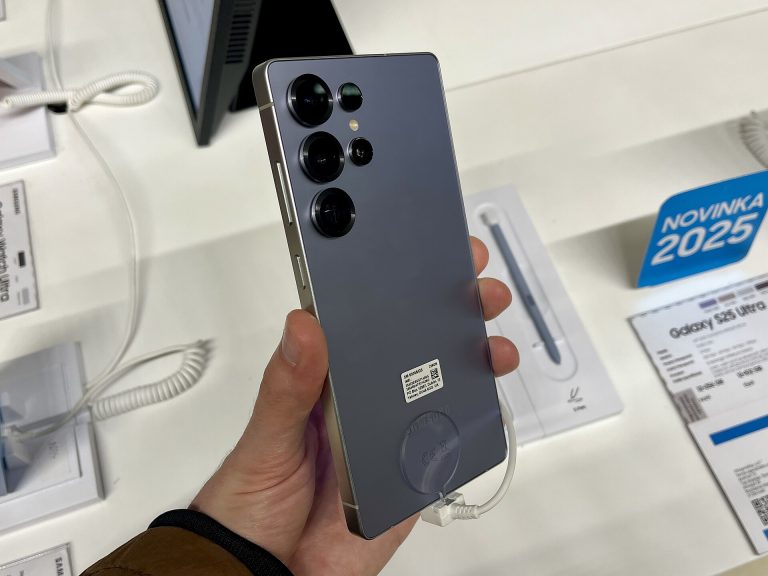
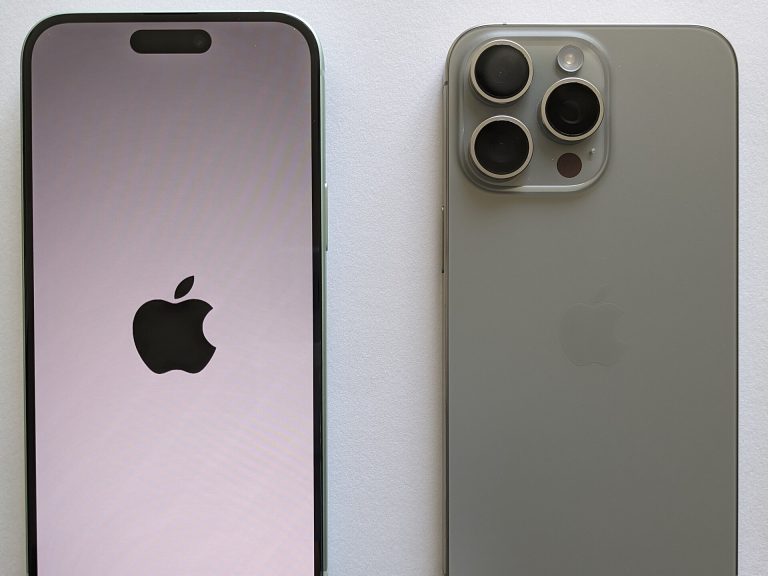
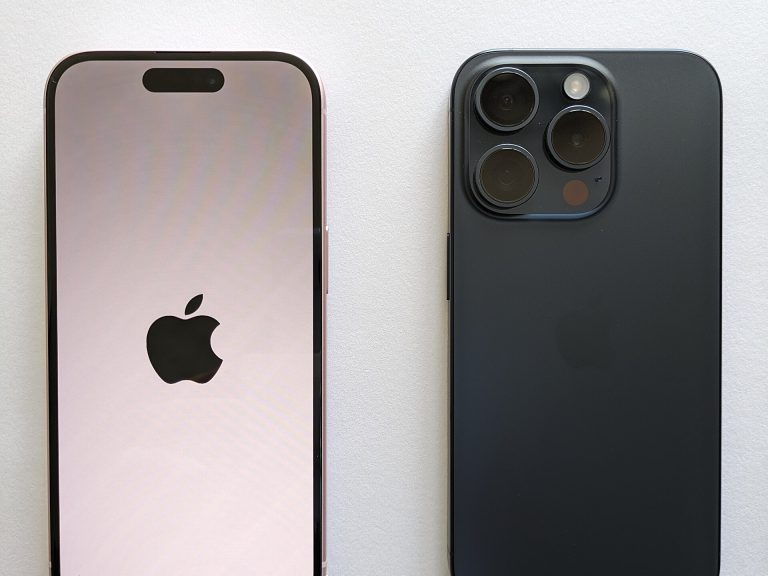
Cameras are where spec sheets are easiest to misread. Megapixels say little on their own; what separates phones more clearly is whether there’s a dedicated telephoto lens and how much real optical zoom it offers, compared with a crop from the main sensor. The number of rear cameras tells you which kinds of shots a phone can handle (wide landscapes, portraits, distant subjects) rather than how good each photo will be.
Finally, think about how long you plan to keep the phone. The promised years of OS updates, the water-resistance rating and the base storage all matter more in year three than on day one. Each comparison here puts the manufacturer’s published specifications side by side, marks rated figures as ratings, and highlights the differences that are big enough to matter.
364 comparisons
Browse by Class
All Smartphone Comparisons