Game Consoles
Game Console Comparisons
A game console is less a piece of hardware than a ticket into a library. The box under your TV decides which exclusives you can play, which online service you pay for, where your friends already are and whether the discs on your shelf still work. That is why comparing consoles on raw numbers alone can mislead you: a faster GPU does nothing for you if the games you care about live on another platform.
Specs still matter, just in the right order. GPU compute (quoted in teraflops) and memory bandwidth tell you how much headroom a machine has for resolution, frame rate and ray tracing. Built-in storage matters more than it first appears, because modern games are huge and a console’s internal SSD fills up quickly; check how storage can be expanded and what that expansion costs. The disc drive question is really a question about how you buy games: physical copies can be resold and lent, while digital-only machines are cheaper up front but tie you to one store.
Within one family, the differences are often narrower than the price gap suggests. A slim redesign usually changes size, weight and storage while keeping the same chip, so it plays games identically. A mid-generation “Pro” model is a different story: more GPU power and better upscaling, but the same game library and often a higher price than the console it sits above.
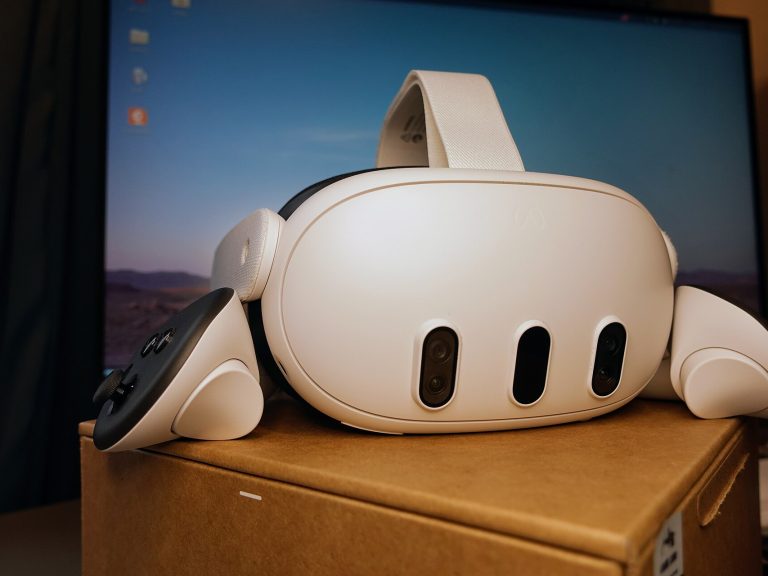
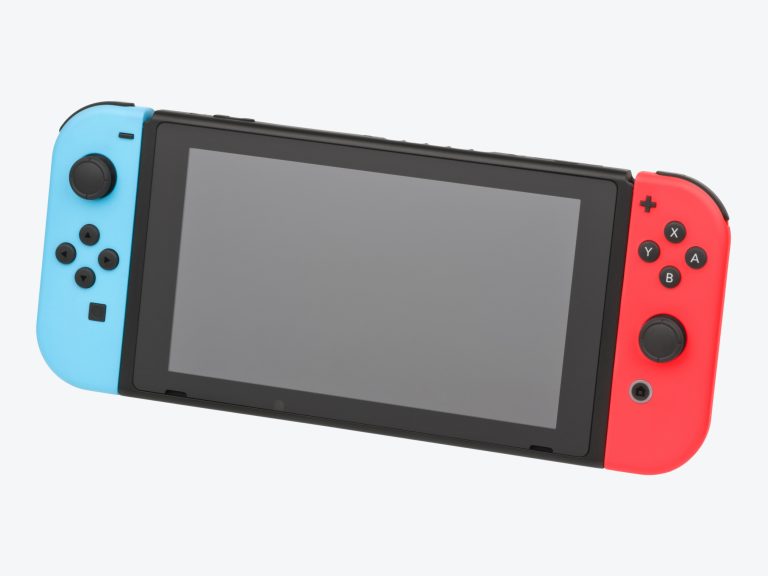
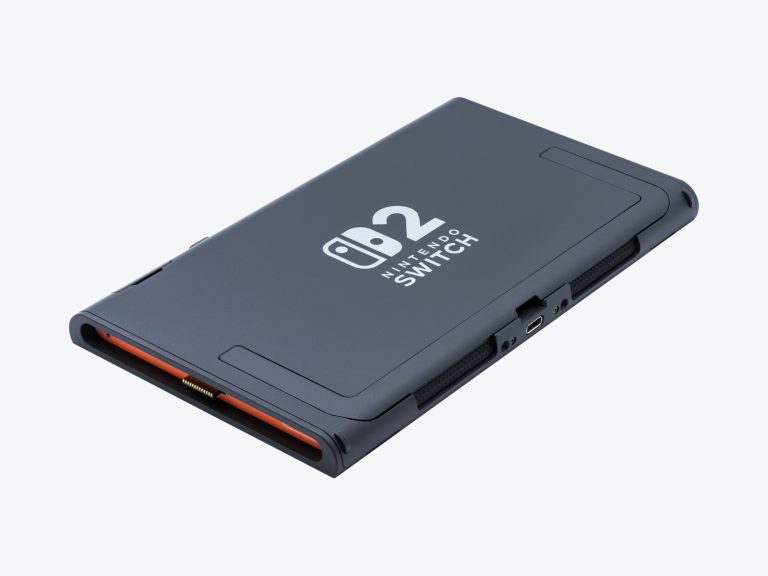
This category also covers machines that stretch the idea of a console. Hybrid consoles work on your TV and in your hands, handheld gaming PCs run a computer game library on a portable screen, and VR headsets put you inside the game. Each one is compared against its own kind first, because a headset and a home console solve different problems, and a spec sheet can’t tell you which problem you have.
21 comparisons
Browse by Class
All Game Console Comparisons