Game Consoles
VR Headset Comparisons
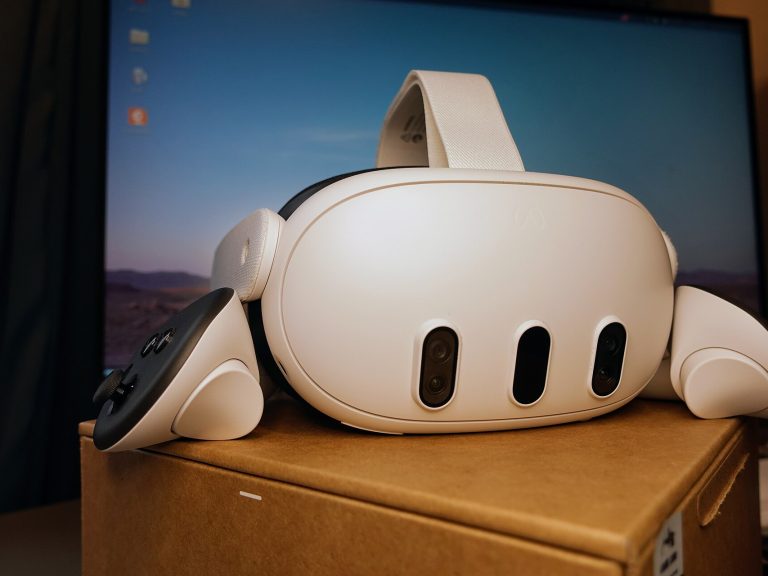
A VR headset replaces the TV with two displays right in front of your eyes and tracks your head and hands, so you move through a game rather than watching it. Headsets in this category fall into two camps, and the difference matters more than any spec: standalone headsets such as the Meta Quest 3 have their own processor, storage and battery, while tethered headsets such as PlayStation VR2 are accessories that need a PS5 (or a PC through Sony’s adapter) to run anything at all.
That split shapes the comparison. A standalone headset works anywhere without cables, its game store is built in, and it can also stream PC VR games. A tethered headset draws on the console’s far stronger GPU, so it can run more detailed games, but you need to own the console and you stay connected by a cable. When you compare prices, add the cost of the console to a tethered headset.
Display specs carry most of the weight here. Resolution per eye sets how sharp text and distant objects look, the panel type decides contrast (OLED for deep blacks, LCD for brightness and clarity), and refresh rate affects smoothness and comfort. Weight and balance matter because the device sits on your face; small differences are noticeable over an hour of play.
Beyond the hardware, check the tracking method, controller design, passthrough cameras for mixed reality and, above all, which games you want to play; many VR titles are exclusive to one store. Comfort with VR also varies from person to person, so the right headset is the one you will actually wear.
1 comparisons · 2 products