Game Consoles
Home Console Comparisons
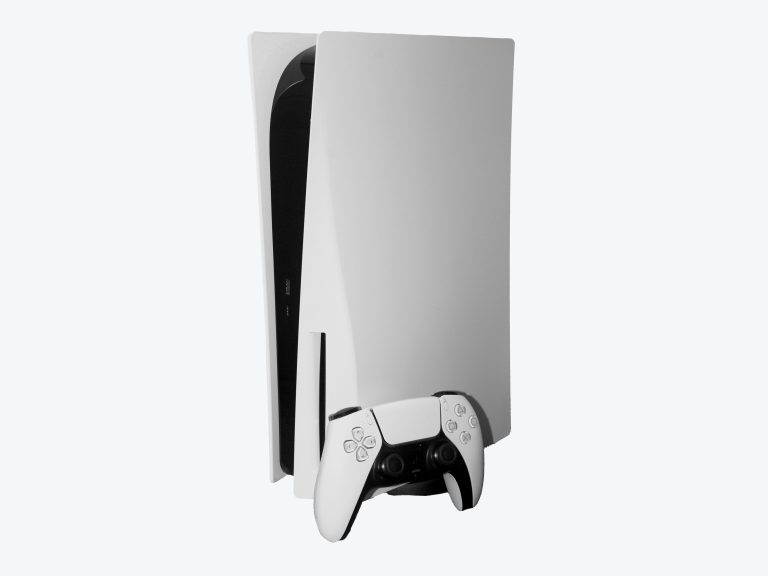
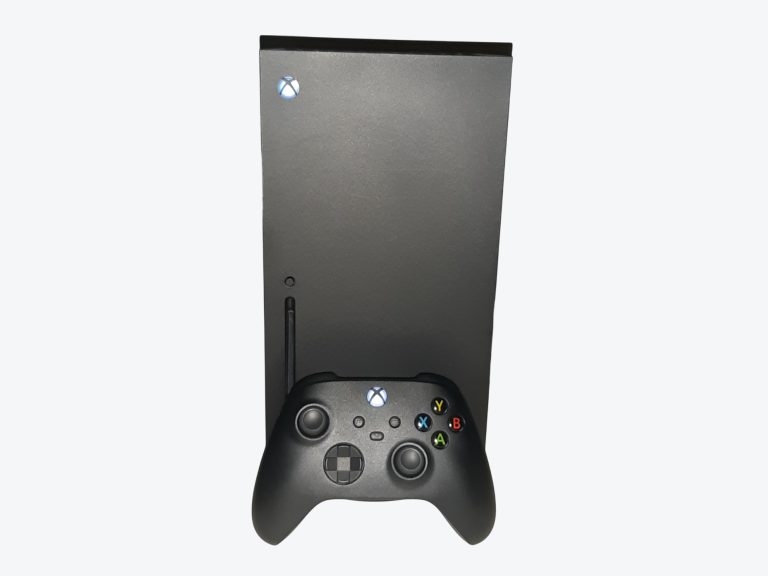
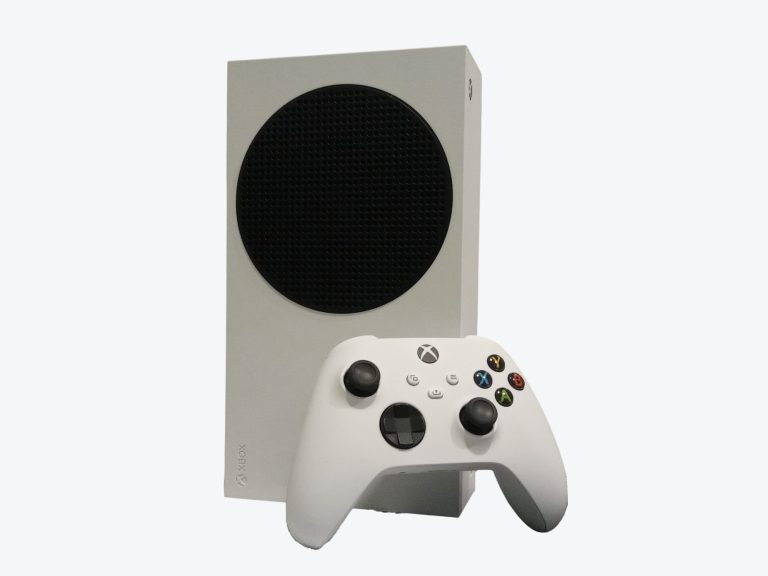
A home console is built for one job: running big games on a TV from the couch with as little fuss as possible. It has no screen or battery, so its entire power budget goes to the processor, graphics and cooling, which is why home consoles are the reference point for how demanding games look and run.
Inside a generation, the key performance figures are GPU compute, memory bandwidth and the amount of fast memory. They decide whether a game targets native 4K, a lower resolution with upscaling, or a higher frame rate. Performance and quality modes in many games let you trade one against the other, so a stronger GPU often shows up as a sharper image at the same frame rate rather than an entirely new experience. Hardware ray tracing and dedicated upscaling (such as Sony’s PSSR on PS5 Pro) are where mid-generation models pull ahead.
The practical specs deserve as much attention. Internal storage fills fast with modern game installs, so check both the usable capacity and the expansion route; an M.2 slot you can fill with a standard SSD is usually cheaper than a proprietary expansion card. Decide early whether you want a disc drive: Blu-ray support lets you buy used games and play 4K movies, while digital-only models cost less up front but lock you into the platform’s store pricing.
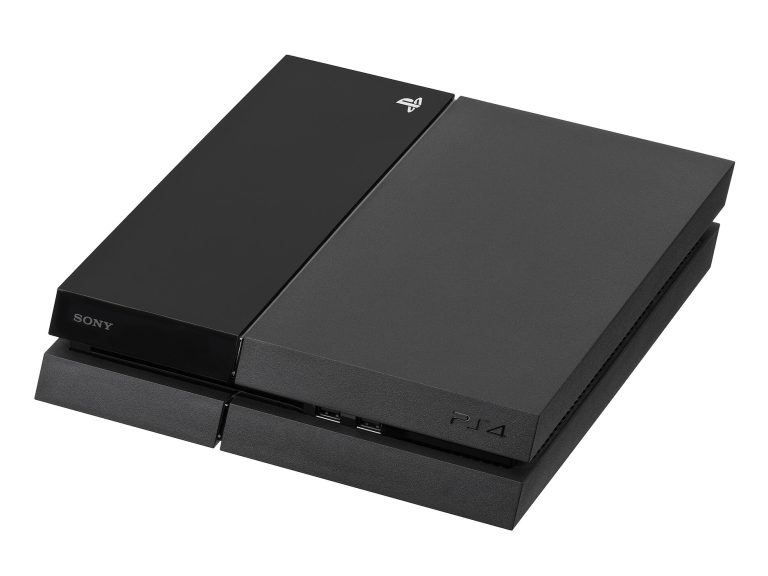
Size and weight matter if your TV cabinet is tight, and redesigned “slim” models mostly change those numbers without touching performance. Older generations stay relevant when price is the priority, but you give up access to new releases that only target the current hardware. Finally, remember that Sony, Microsoft and Nintendo each have their own exclusives and subscription services, often a bigger deciding factor than any number on the spec sheet.
19 comparisons · 8 products
Products in This Class
Comparisons