Game Consoles
Hybrid Console Comparisons
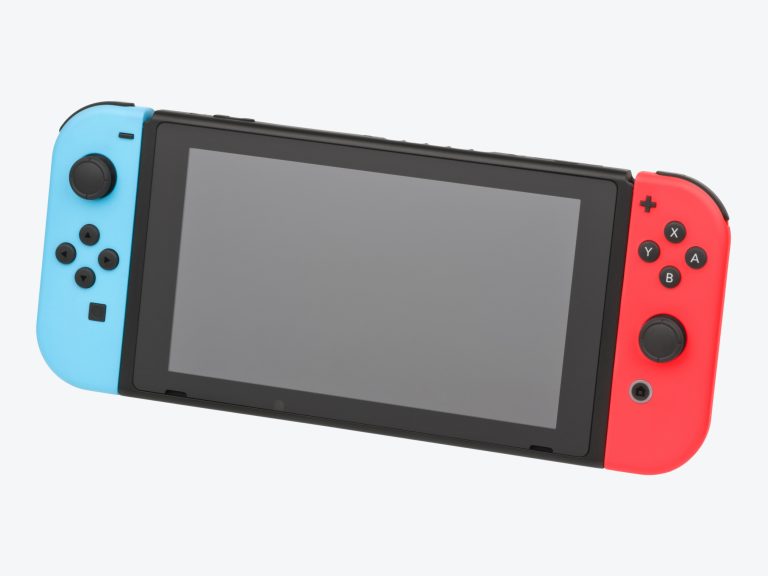
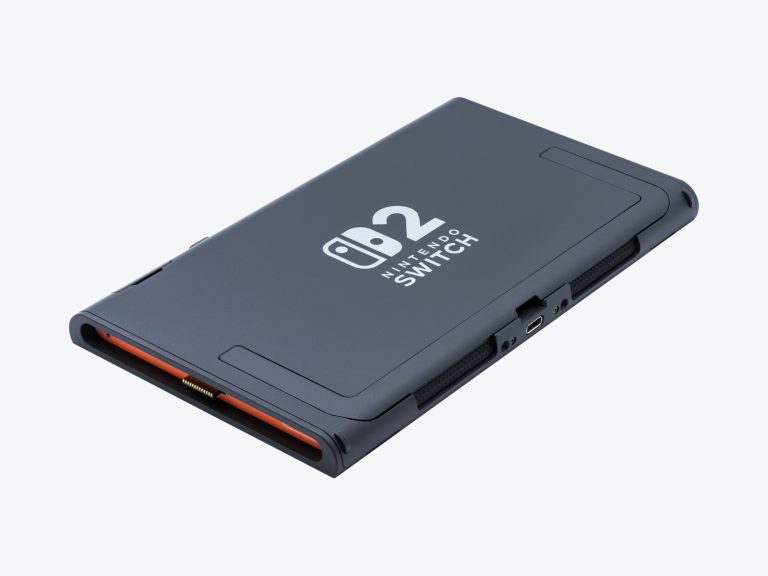
A hybrid console is one device that works two ways: slot it into a dock and it drives your TV, pull it out and it becomes a handheld with its own screen and detachable controllers. The Nintendo Switch defined the category, and the Switch 2 continues the same idea with more capable hardware.
Because the same chip has to run on a battery and fit in a thin body, a hybrid will not match a full-size home console on raw graphics power. What you get instead is flexibility: the same save file on the couch, in bed or on a train, and local multiplayer out of the box with the included controllers. When you compare hybrids, look at how they perform in both modes: the maximum resolution and frame rate on a TV are usually higher than what the handheld screen shows.
The built-in screen is a big part of the experience. Its size, resolution, panel type, refresh rate and HDR support all shape how games look away from the TV. Weight matters too, since you will be holding it for long sessions; figures are normally quoted with the controllers attached, which is how you actually play.
Storage is modest compared with home consoles, so the expansion card format is worth checking: the Switch 2 requires microSD Express cards, and older standard microSD cards won’t work for its games. Backward compatibility with the previous generation’s cartridges and digital library is another practical point if you already own games. Nintendo does not publish detailed chip specs such as clock speeds or memory size, so comparisons here lean on screen, output and storage figures rather than teraflops.
1 comparisons · 2 products