Graphics Cards
Entry-Level Graphics Card Comparisons
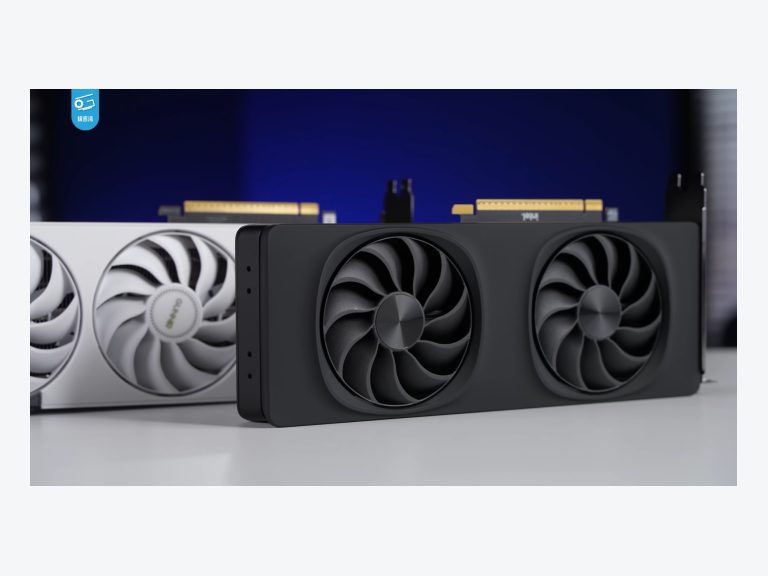
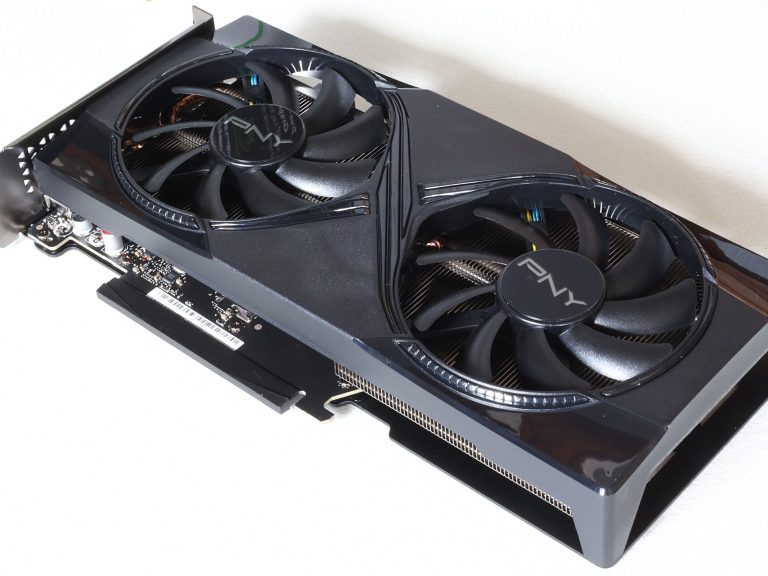
Entry-level graphics cards are built for 1080p gaming, esports titles and turning an office PC or a prebuilt with integrated graphics into a capable gaming machine. They draw little enough power that many run from a single auxiliary connector and a modest power supply, and their shorter boards fit compact cases that bigger cards never will.
What separates cards here is mostly memory and features, not raw shader counts. Many entry cards ship with 8 GB of VRAM on a narrow 128-bit bus. That’s fine for competitive shooters and older games, but recent releases at high texture settings can exceed it, and lowering the texture setting is the usual fix. A card with 12 GB, such as Intel’s Arc B580, gives you more headroom for texture-heavy games. Memory bandwidth (bus width multiplied by memory speed) tells you how quickly the GPU can be fed, and it matters more as resolution rises.
Watch the PCIe interface, too. Several cards in this class use an eight-lane link (PCIe x8) instead of the full sixteen lanes. On a current motherboard that is rarely a limitation, but in an older PCIe 3.0 system it halves the link bandwidth compared with a full x16 connection, which hurts most when VRAM runs out and data has to cross the bus.
Upscaling and frame generation make a real difference at this level, because they let a modest GPU hold smoother frame rates. Check which version a card supports: DLSS Multi Frame Generation needs a GeForce RTX 50 card, and the FSR and XeSS versions available to you also depend on the generation of Radeon or Arc card you pick.
If you mainly play at 1080p and your power supply is small, an entry card is often the sensible choice; if a 1440p monitor is in your near future, look one class up.
9 comparisons · 4 products
Products in This Class
Comparisons