Graphics Cards
High-End Graphics Card Comparisons
High-end cards are built for 4K gaming with demanding settings, ray tracing at high resolutions and serious creative work. At this level the graphics card is rarely the only thing to think about; your CPU, power supply, case airflow and monitor all need to keep up.
16 GB of VRAM is the norm here, and some cards go well beyond it; 4K textures, path-traced games and 3D or video workloads put that memory to use. Memory bandwidth grows with wider buses and faster memory generations such as GDDR6X and GDDR7, which helps at high resolutions where the GPU moves the most data each frame.
Within one brand, shader count, RT units and boost clock line up closely with the lineup order, so they’re a decent way to rank sibling models (say, a Ti or Super refresh against its original). Across brands, compare VRAM, bandwidth, board power and software features instead, and keep in mind that NVIDIA and AMD calculate their FP32 figures differently.
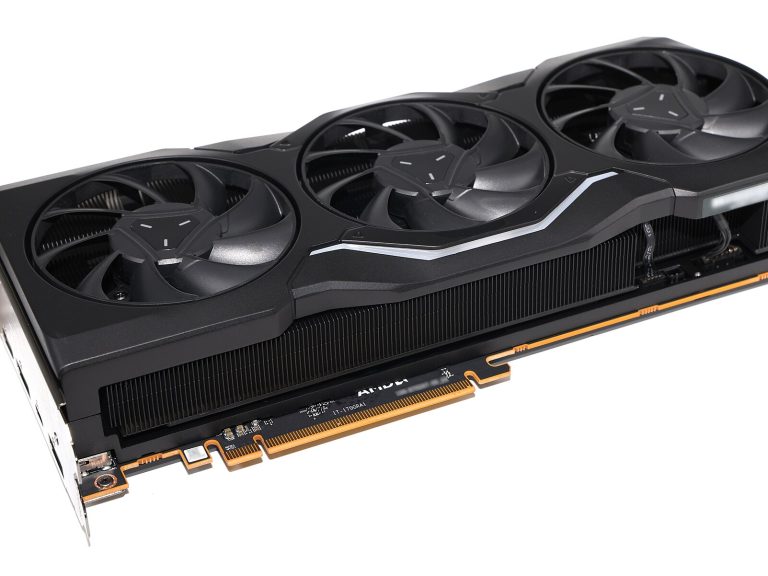
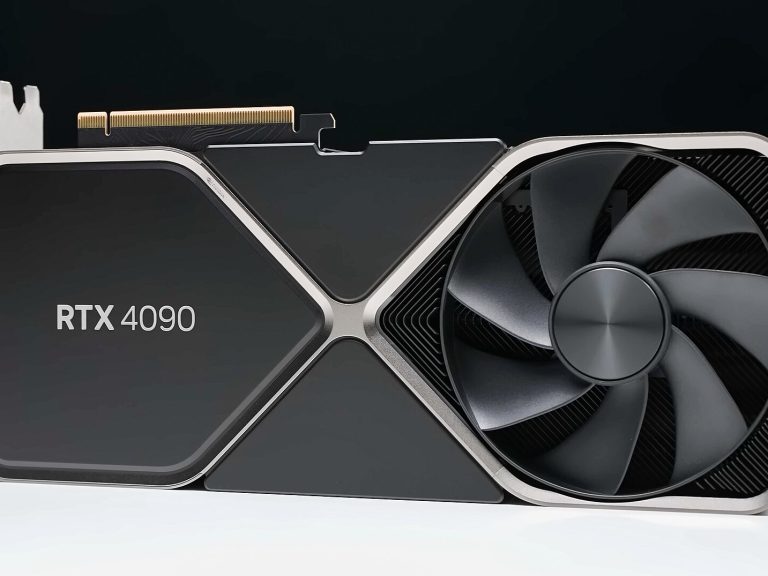
Power and size are practical limits. Board power in this class is high enough that the recommended PSU really matters, and Founders Edition or reference coolers are only the starting point: many partner cards are longer and thicker. Check the power connector as well: current high-end GeForce cards use a 16-pin connector, while AMD’s reference Radeon RX 7900 boards use standard 8-pin plugs.
At lower resolutions a high-end card can be held back by the CPU, so the gap between two cards on paper may shrink at 1080p. If you play at 1440p, a card from the class below may give you most of the experience with less heat and noise.
28 comparisons · 7 products
Products in This Class
Comparisons