Smartwatches
Fitness Tracker Comparisons
A fitness tracker is a slim band that trades the smartwatch’s big screen and app store for comfort, low weight and a battery that lasts about a week or longer. Its job is to watch your body around the clock (heart rate, heart-rate variability, sleep stages and recovery) and to be forgettable enough that you actually wear it to bed.
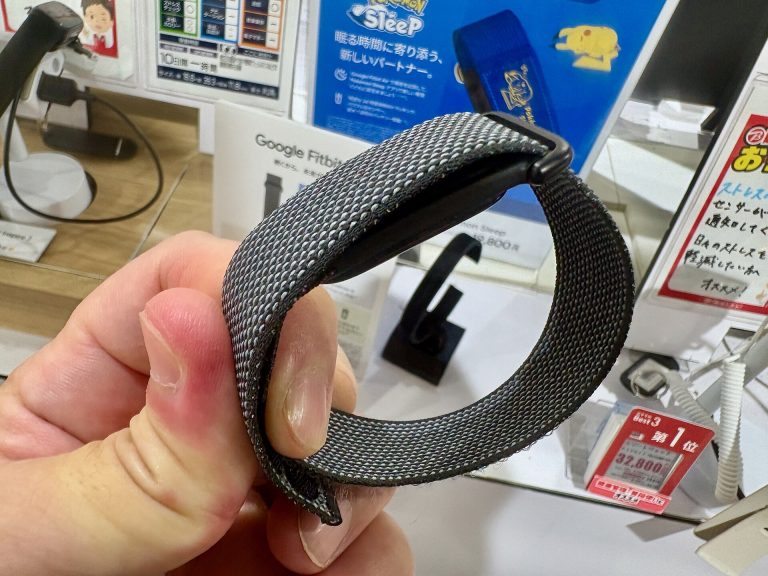
The biggest split is screen or no screen. The Fitbit Charge 6 keeps a small color display, built-in GPS, an ECG app and contactless payments, so it can stand in for a basic smartwatch. The Whoop 5.0 and Fitbit Air are screenless: everything shows up in the phone app, there are no notifications to read on your wrist, and the band can sit quietly alongside a traditional watch on your other arm.
Without a screen, GPS usually comes from your phone, so a run tracked by a screenless band depends on carrying that phone. Check the ECG, blood-oxygen and skin-temperature rows in each comparison as well, because they differ between models and even between versions of the same band.
The other decision is how you pay. The Charge 6 and Fitbit Air are one-time purchases, with some deeper insights reserved for a paid subscription. Whoop does not sell its band outright at all; the hardware comes with a membership, and the tier you choose decides which features you get. Over two or three years that model can cost more than the upfront price of a band.
If you want sleep and recovery data with minimal fuss, a screenless band fits; if you also want the time, a workout screen and payments on your wrist, pick a tracker with a display.
1 comparisons · 3 products