Graphics Cards
Flagship Graphics Card Comparisons
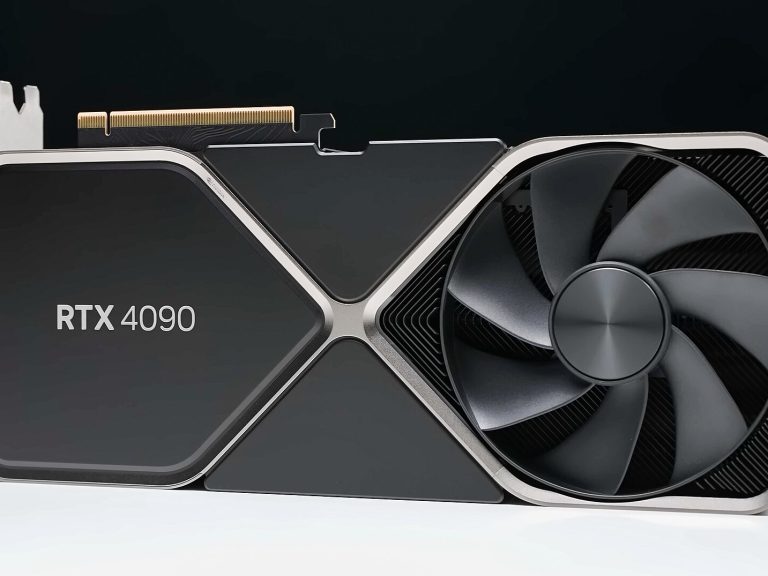
Flagship graphics cards are each generation’s halo products: the largest GPU the maker sells to consumers, the most VRAM in the lineup and the highest board power. They exist for 4K and beyond with every setting maxed, and increasingly for work: 3D rendering, video editing and running large AI models locally, where memory capacity often matters more than frame rates.
That makes VRAM the headline spec. With 24 GB or 32 GB you can load models and scenes that simply won’t fit on smaller cards, so for creators the capacity jump can matter more than the performance jump. For gaming alone, the extra memory mostly buys headroom for future titles and very high resolutions.
Cross-generation comparisons are common in this class: owners of an older flagship want to know whether the new one is worth it, or whether a newer card from a lower tier already matches their old one. Architecture changes muddy direct spec comparisons. A newer GPU can do more work per shader, run at higher clocks and support newer upscaling and frame generation, so weigh shader counts alongside feature support and power draw.
The practical demands are real. Board power is the highest of any consumer graphics card, so check the recommended PSU and the connector (recent GeForce flagships use a 16-pin plug), plan for the heat in your case, and measure: partner versions are often longer and thicker than the Founders Edition. Pair a flagship with a CPU and monitor that can use it; at 1080p, much of its advantage disappears.
9 comparisons · 3 products
Products in This Class
Comparisons