Headphones & Earbuds
Over-Ear Headphones Comparisons
Over-ear headphones surround your ears with cushioned cups instead of sitting inside them. That larger shell leaves room for bigger drivers, bigger batteries and more microphones for noise cancelling, which is why over-ears remain the natural choice for long flights, open-plan offices and anyone who finds earbuds tiring after an hour or two.
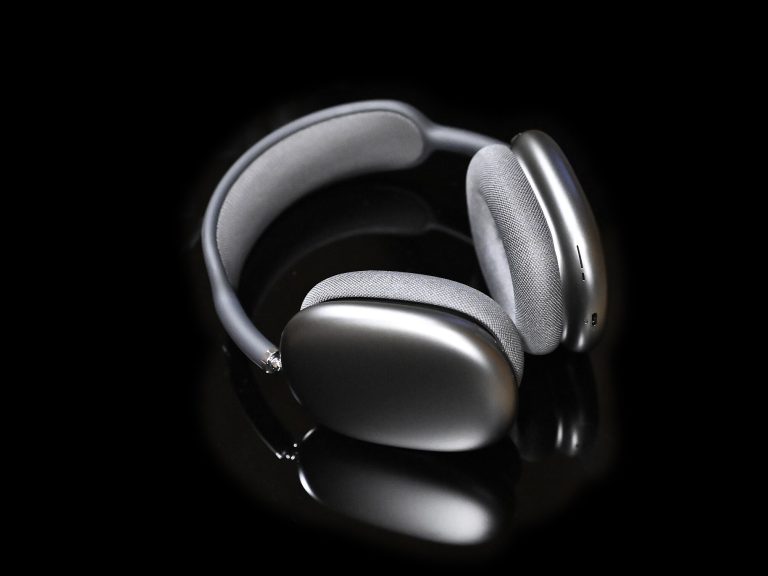
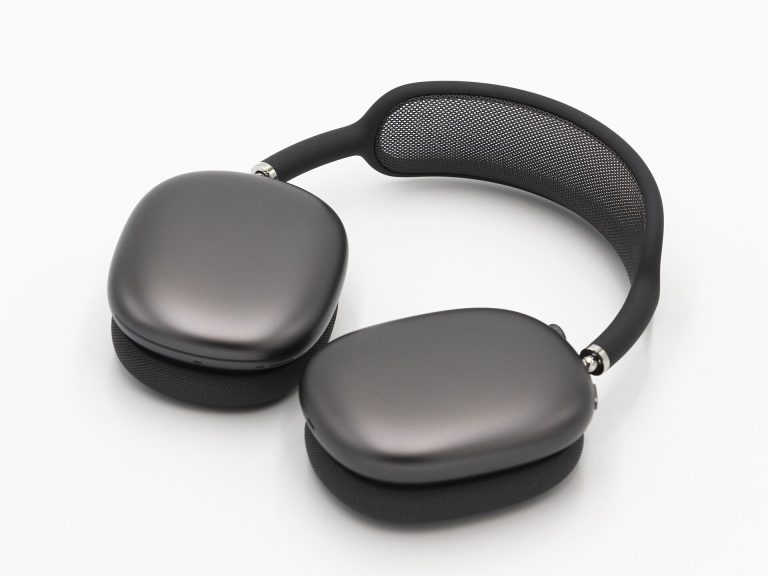
Battery life is where this class pulls furthest away from earbuds. Instead of a few hours per charge plus a case, over-ears run for a day or more of listening on the headband’s own battery, and the rated figures differ widely between models, which is worth checking if you travel often and forget to charge. Weight is the other key number. Materials drive it: an aluminum and steel build like AirPods Max feels solid but weighs noticeably more than plastic-bodied rivals such as Sony’s WH-1000X series, and that difference shows up on your neck over a long session.
Look at how each pair connects. Sony and Sennheiser support higher-bitrate codecs such as LDAC or aptX Adaptive for compatible Android phones, and both offer multipoint pairing. Beats Studio Pro and the USB-C versions of AirPods Max can also play lossless audio over a USB-C cable, which matters if you want a wired option for a laptop or flight. Controls vary from physical buttons and Apple’s Digital Crown to touch panels on the ear cup.
Practical details round it out: whether the headphones fold flat, what kind of case they come with, and whether they have any water resistance. Most over-ears do not claim a rating, so they are better suited to commutes than to workouts. If the real choice is between over-ears and earbuds, decide first which form fits your day, then compare within it.
8 comparisons · 5 products
Products in This Class
Comparisons