Smartwatches
Everyday Smartwatch Comparisons
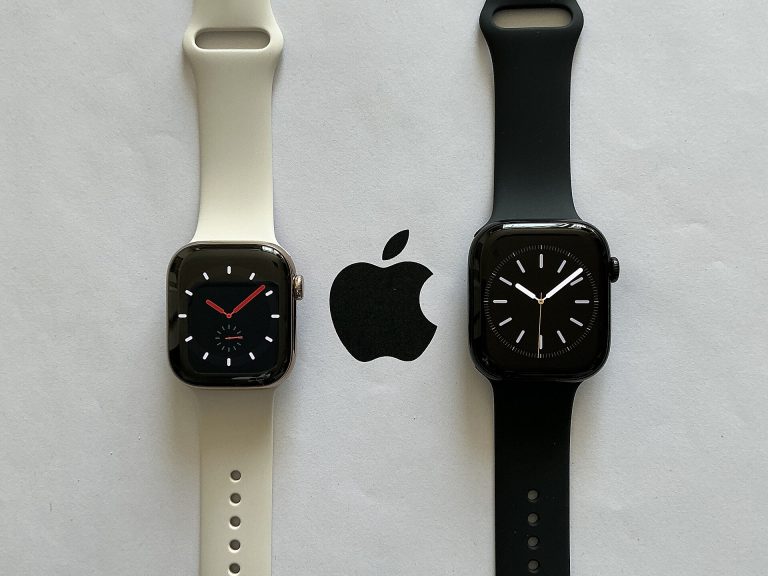
An everyday smartwatch is a touchscreen watch that handles notifications, contactless payments, timers, calls and apps while tracking your heart rate, sleep and workouts in the background. This is where the Apple Watch Series and SE, the Pixel Watch, Garmin’s Venu, vívoactive and Lily, and Fitbit’s Versa and Sense compete: similar on paper, very different to live with.
The first split is the platform. watchOS pairs only with an iPhone and Wear OS on the Pixel Watch only with Android; both offer the deepest phone integration, voice assistants and third-party apps. Garmin and Fitbit work with either phone but run their own software with a smaller app selection, in exchange for simpler menus and longer battery ratings.
The second split is battery philosophy. Apple and Google rate their watches in hours (roughly a day to a day and a half) and spend that energy on bright, fast, app-rich screens. Garmin rates its AMOLED watches in days, so a Venu or vívoactive can go a week or more between charges if you accept a less open app ecosystem.
Inside a single lineup, generational upgrades are often narrower than the price gap between tiers. Apple’s Series 10 and Series 11 share the same chip and screen, for example, and differ mainly in rated battery life (18 versus 24 hours). The SE line undercuts the Series by dropping the ECG app and blood-oxygen sensor, so decide whether those readings matter to you before paying for them.
Case size is a comfort choice first: the larger case gives you a bigger screen and, on some models such as the Pixel Watch, a longer battery rating. A cellular version lets you leave your phone at home, but it adds a monthly plan.
58 comparisons · 17 products
Products in This Class
Comparisons