Cars
Midsize SUV Comparisons
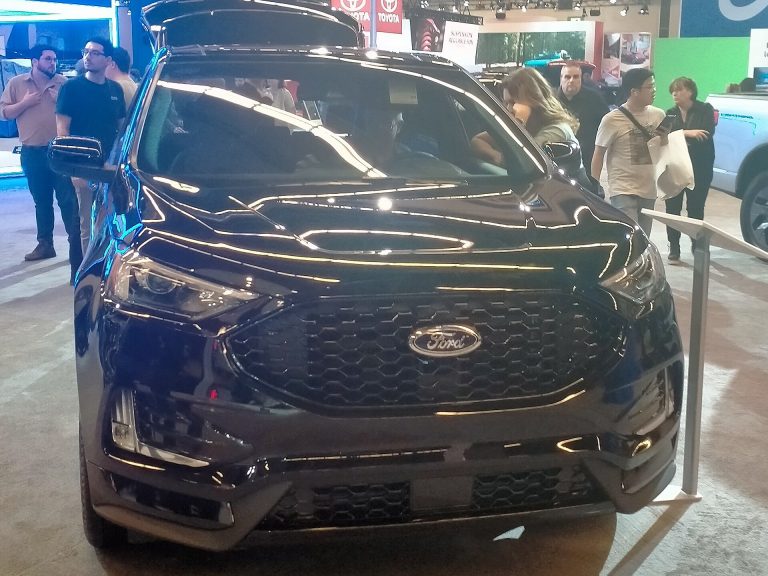
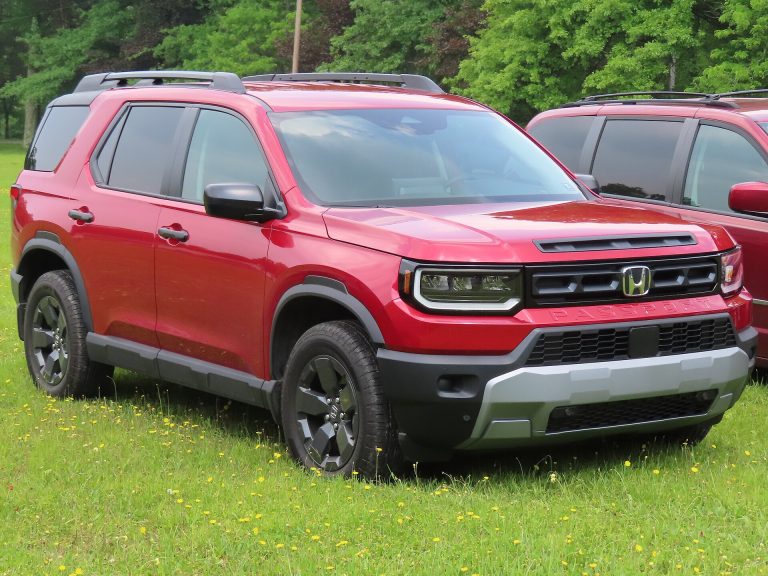
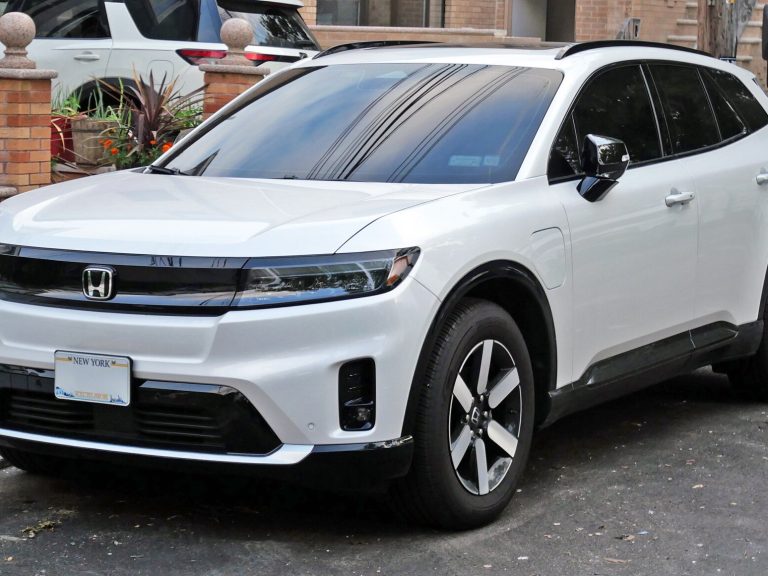
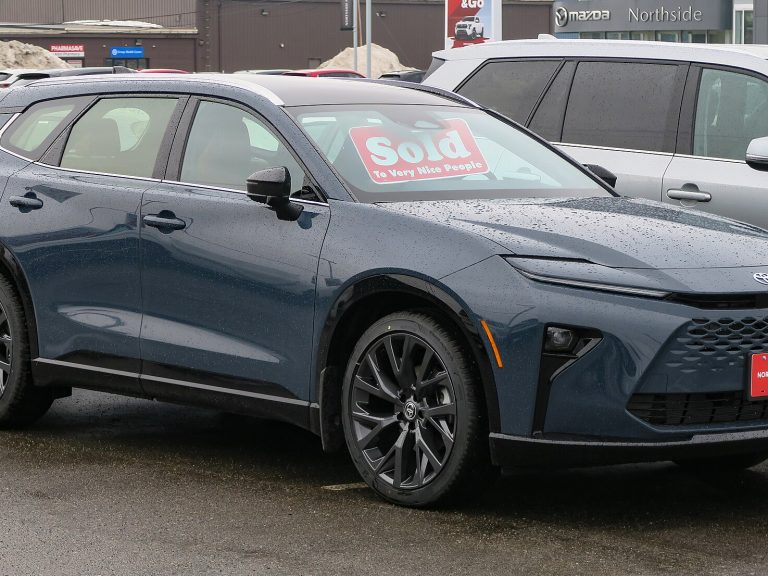
A two-row midsize SUV sits between the compact class and three-row family haulers. You get a longer wheelbase, a wider cabin and more stretch-out room for five people without paying for a third row you might never unfold. Models such as the Honda Passport, the Toyota Crown Signia and the now-discontinued Ford Edge show how varied the class is.
The powertrain tells you which direction a model leans. Some rivals use larger gas engines, including V6 power, with towing ratings that suit small boats and campers; others use hybrid systems aimed at gas mileage and a quieter drive. Decide which of those matters more to you before comparing anything else, because the two approaches rarely win on both counts.
Space is generous here but not uniform. Cargo volume behind the rear seats is usually larger than in a compact SUV, and rear legroom benefits from the longer wheelbase. A lower, wagon-like roofline can limit cargo height even when the floor is long, so compare both the seats-up and seats-folded figures instead of relying on the class label.
If you are cross-shopping against a compact SUV, weigh what the extra size costs you: a higher starting MSRP, typically more fuel use, and a bigger footprint in parking lots and older garages. If you are looking at three-row models instead, ask how often you would really use the extra seats. A two-row midsize SUV often gives you a roomier second row and a larger cargo area than a three-row SUV with its last row in place. Ground clearance and standard AWD are worth checking too, since they differ widely between road-focused and adventure-styled models.
40 comparisons · 13 products
Products in This Class
Comparisons