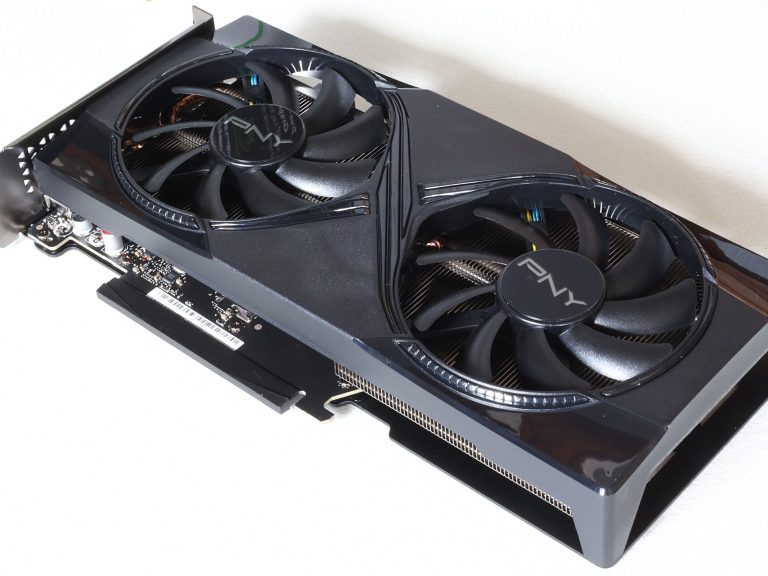
RX 9060 XT vs RTX 5060 Ti
The RX 9060 XT and the RTX 5060 Ti are direct rivals in the midrange graphics card class, one from AMD and one from NVIDIA. Scoring each area separately, the RTX 5060 Ti comes out on top 1 times out of 2. Its lead is sharpest in memory. Budget is a real factor too: at launch, the RX 9060 XT undercut the RTX 5060 Ti by $80.
At a glance
- Memory RTX 5060 Ti wins
- Power & Thermals RX 9060 XT wins
- Price RX 9060 XT wins
- GPU & Performance4.2
- Memory5.0
- GPU & Performance5.5
- Memory6.4
Spec scores (0 to 10) are calculated from manufacturer specs against other models in the same class. See how the formula works. They are not reviews or user ratings.
Key Differences
-
The RTX 5060 Ti has 40% more memory bandwidth
The RTX 5060 Ti’s 448 GB/s leaves the RX 9060 XT’s 320 GB/s well behind, so if this spec matters to you, the choice is easy. Memory bandwidth decides how quickly the GPU can feed itself with data, which matters most at 1440p and 4K.
-
The RX 9060 XT has 20 W lower board power
Only a little separates them: 160 W on the RX 9060 XT, 180 W on the RTX 5060 Ti. Higher board power often comes with higher performance, so the RTX 5060 Ti’s appetite may be part of the price of its speed.
Design & Size
GPU & Performance
For gpu & performance, the spec sheet lists components and formats rather than figures we can rank. The table shows what the RX 9060 XT and the RTX 5060 Ti each bring.
Memory
RTX 5060 Ti leads
The RX 9060 XT has a tough time in the memory section, where the RTX 5060 Ti pulls well ahead. On the RTX 5060 Ti, you get 40% more memory bandwidth. Bandwidth needs vary by architecture, so compare it alongside VRAM and cache rather than on its own. If memory is your priority, the RTX 5060 Ti is the card to pick.
Memory bandwidth
RX 9060 XT: 320 GB/s RTX 5060 Ti: 448 GB/s The RTX 5060 Ti has more bandwidth to work with, helping it hold up in memory-heavy games.
Features
This section is descriptive. The RX 9060 XT and the RTX 5060 Ti list different components for features, and the table spells them out.
Power & Thermals
RX 9060 XT leads
The RX 9060 XT does a little better in the power & thermals section, though nothing here is a deal-breaker for the RTX 5060 Ti. The RX 9060 XT takes this one with 20 W lower board power. Lower board power means less heat, quieter cooling and a smaller impact on your electricity bill. The takeaway: on power & thermals, the RX 9060 XT is the stronger card.
Total board power
RX 9060 XT: 160 W RTX 5060 Ti: 180 W The RX 9060 XT draws less power, which makes it easier to cool in compact cases.
Full Specifications
GPU & Performance
| Spec | RX 9060 XT | RTX 5060 Ti |
|---|---|---|
| Architecture | RDNA 4 | Blackwell |
| GPU die | Navi 44 | GB206 |
| Process | TSMC N4P | TSMC 4N |
| Shader units | 2,048 Fewest shader units | 4,608 |
| Ray tracing units | 32 | 36 |
| Base clock | N/A (not specified) | 2,407 MHz Highest base clock |
| Boost clock | 3,130 MHz Highest boost clock | 2,572 MHz |
| FP32 computeTheoretical peak; AMD counts dual-issue, so compare within a brand only | 25.6 TFLOPS | 23.7 TFLOPS |
Memory
| Spec | RX 9060 XT | RTX 5060 Ti |
|---|---|---|
| VRAM | 16 GB | 16 GB |
| Memory type | GDDR6 | GDDR7 |
| Memory bus | 128-bit | 128-bit |
| Memory bandwidth | 320 GB/s Least memory bandwidth | 448 GB/s (winner) |
Features
| Spec | RX 9060 XT | RTX 5060 Ti |
|---|---|---|
| Upscaling | FSR 4 | DLSS 4 Super Resolution |
| Frame generation | FSR Frame Generation, AFMF 2 | DLSS 4 Multi Frame Generation (up to 4x) |
| PCIe interface | PCIe 5.0 x16 | PCIe 5.0 x8 |
Power & Thermals
| Spec | RX 9060 XT | RTX 5060 Ti |
|---|---|---|
| Total board power | 160 W (winner) Lowest power draw in class | 180 W |
| Recommended PSU | N/A (not specified) | 450 W Smallest PSU requirement |
Price
| Spec | RX 9060 XT | RTX 5060 Ti |
|---|---|---|
| Launch price (MSRP) | $349 (winner) | $429 |
“N/A” means the manufacturer does not specify the value or we could not confirm it. Figures marked “manufacturer rating” are the maker’s own claims, not our measurements.
Price & Value
The RX 9060 XT launched at $80 less than the RTX 5060 Ti, a gap of 23%. The RTX 5060 Ti costs $80 more, and for that you get 40% more memory bandwidth.
Launch prices in the US as of June 2025; street prices move, so check before you buy.
Which One Should You Buy?
Choose the RX 9060 XT if…
- you want lower power draw and less heat (160 W vs 180 W board power)
- you want the lower price and can live with the trade-offs ($80 less)
- you prefer staying with AMD
Choose the RTX 5060 Ti if…
- you game at high resolutions where bandwidth matters (448 GB/s vs 320 GB/s)
- you’re loyal to NVIDIA and happy with it
Also Compared
Frequently Asked Questions
Should I buy the RX 9060 XT or the RTX 5060 Ti?
The RTX 5060 Ti wins more of the areas we compared, so it’s the safer pick unless you know that 20 W lower board power would make a real difference in your routine.
Does the RX 9060 XT perform better than the RTX 5060 Ti?
It comes down to the chips: RDNA 4 in the RX 9060 XT versus Blackwell in the RTX 5060 Ti. Our spec data lists them by name rather than by a single score.
Is the RX 9060 XT cheaper than the RTX 5060 Ti?
Going by launch prices, the RX 9060 XT costs $80 less than the RTX 5060 Ti. Prices as of June 2025; current offers may differ.
Executive Summary
The RX 9060 XT versus the RTX 5060 Ti is a matchup I find genuinely interesting, because AMD and NVIDIA made different bets. For me, the deciding factor is that only the RTX 5060 Ti gives you 40% more memory bandwidth. I’ll admit the RX 9060 XT has a point with 20 W lower board power.
Fit matters more than scores here. The RX 9060 XT suits buyers focused on power & thermals; the RTX 5060 Ti suits those focused on memory.
My pick: the RTX 5060 Ti, though I’d happily point you to the RX 9060 XT if your top priority is 20 W lower board power.
Personal opinion based on the data above. Your priorities may differ.