Laptops
Ultraportable Laptop Comparisons
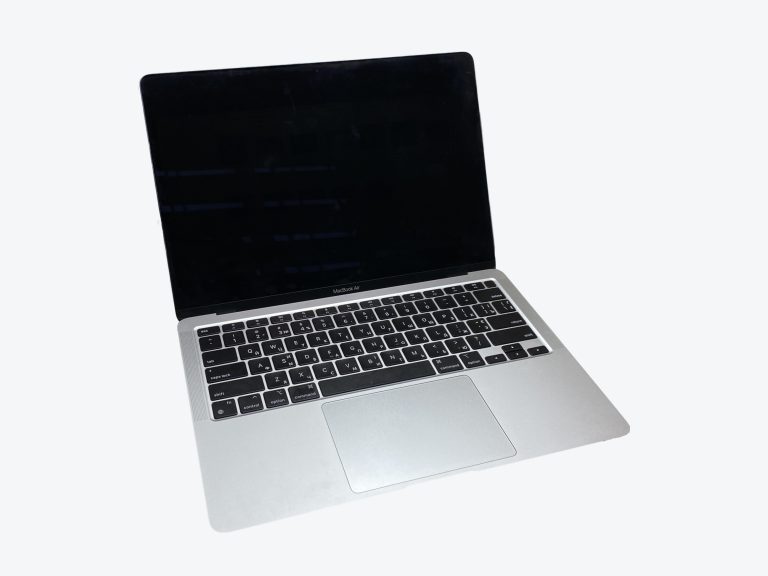
An ultraportable is the laptop you forget is in your bag. The class is defined by a thin, light chassis (typically around three pounds or less at 13 to 14 inches), a full-size keyboard, a sharp screen and a battery rated to get through a working day without the charger. The MacBook Air and Surface Laptop are the reference points most people compare against.
What separates models inside the class is less about raw speed than about how they are built. Many ultraportables, the MacBook Air among them, have no fan at all: they are completely silent, but during long exports or heavy compiles the chip reduces its speed to stay cool. Models with a small fan can hold performance a little longer. If your work is email, documents, browsing, light photo editing and video calls, either approach feels quick; if you regularly render or compile for minutes at a time, look toward a pro laptop instead.
Screen size is the other big decision. A 13-inch model is easiest to carry and use on a tray table, while a 15-inch version of the same laptop gives you more room for side-by-side windows at the cost of extra weight and width, usually with the same chip inside. Check the refresh rate too: some ultraportables stick to 60 Hz, others offer a smoother 120 Hz panel.
Ports are the usual trade-off. Expect two or three USB-C ports and a headphone jack, sometimes a dedicated charging connector or a single USB-A port, but rarely HDMI or an SD card reader. Base memory and storage matter more than they seem, since they usually cannot be upgraded later; on Windows models with Snapdragon chips, also confirm that the apps you rely on have native Arm versions.
20 comparisons · 7 products
Products in This Class
Comparisons