Cars
Compact Luxury SUV Comparisons
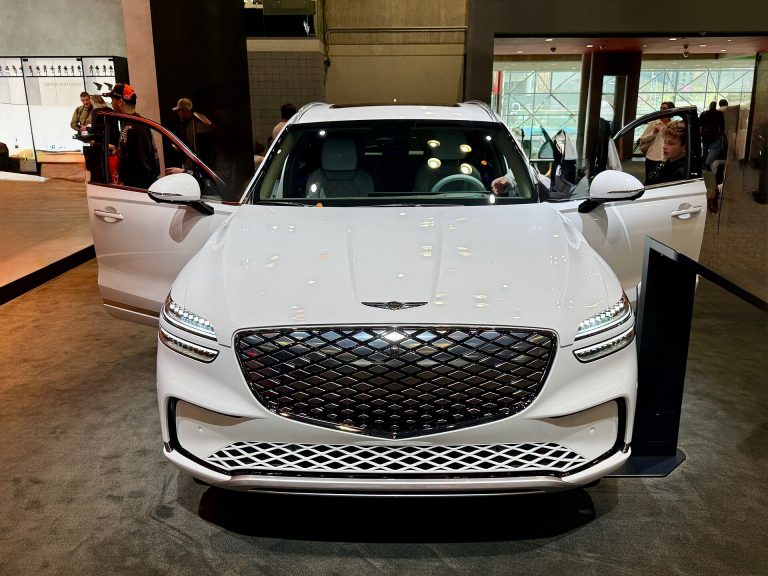
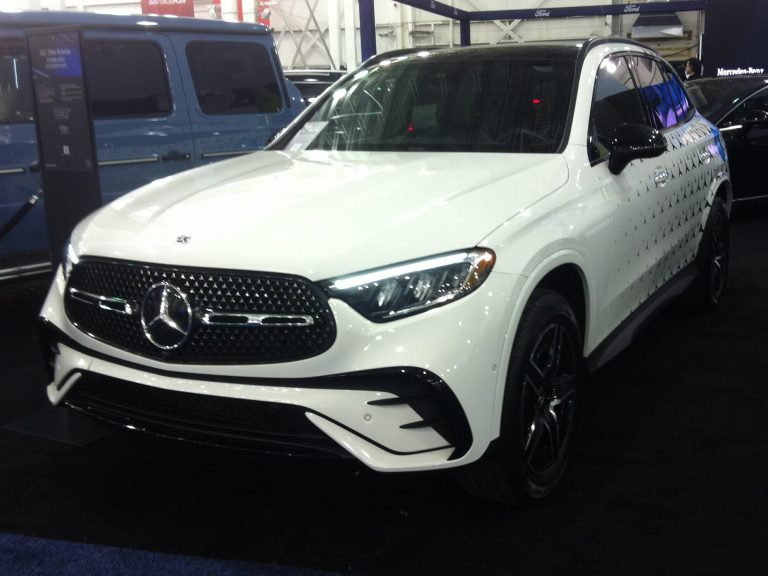
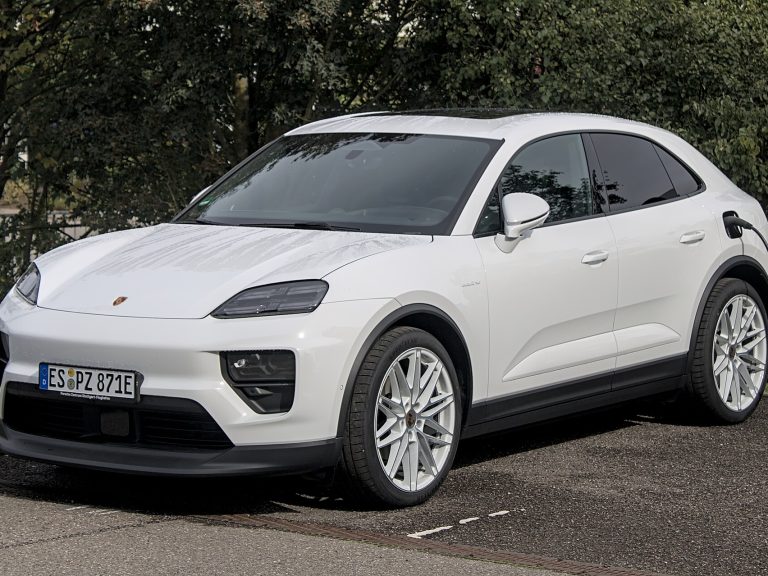
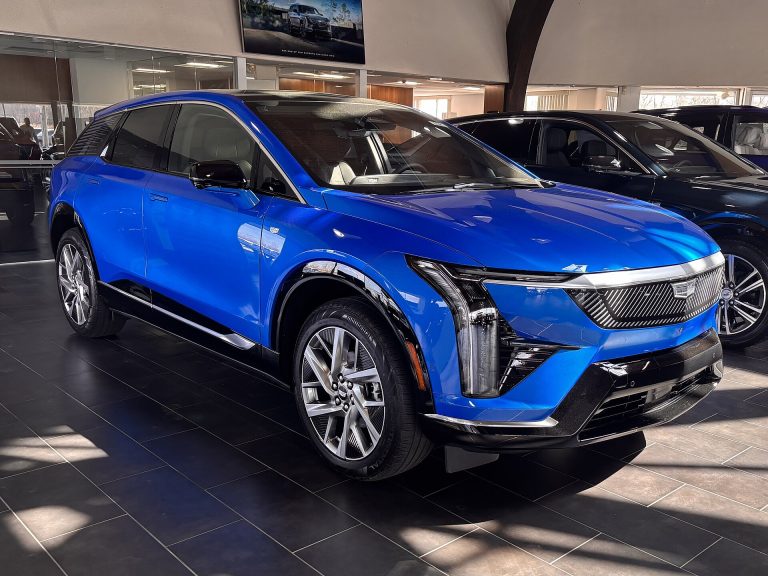
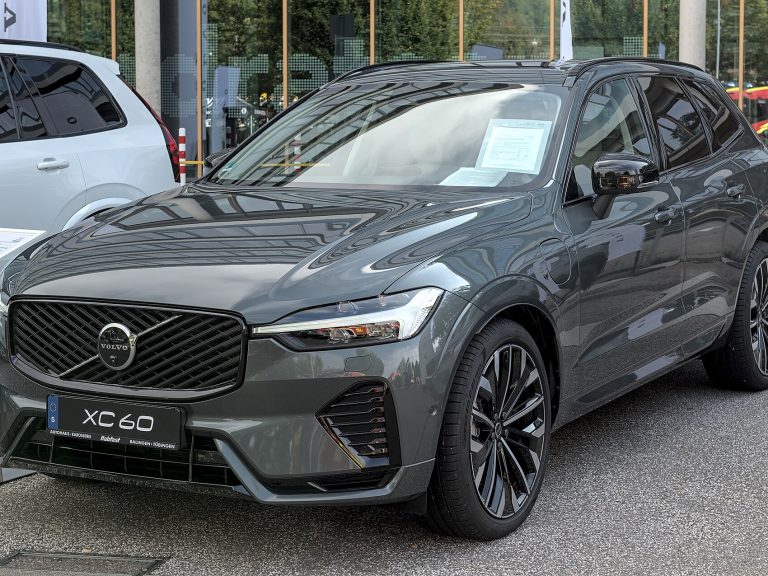
Compact luxury SUVs like the Lexus NX, BMW X3, Acura RDX and Volvo XC60 are roughly the size of a mainstream compact SUV, but they are engineered and priced for buyers who want more refinement, stronger standard engines and richer interiors. The comparison is less about raw space and more about how each brand balances comfort, driving feel, technology and ownership costs.
Start with the engine. Base models in this class commonly use turbocharged four-cylinders, some with mild-hybrid assistance, and output varies meaningfully between brands. Hybrids and plug-in hybrids are increasingly available as step-up choices. Look at both horsepower and torque, and note whether all-wheel drive is standard: some brands include it on every trim, while others treat it as an option.
Cargo volume is often smaller than in mainstream compact SUVs, because styling, sound insulation and plush seating take priority. If you routinely carry bulky gear, compare the seats-up and seats-folded figures side by side rather than assuming that a higher price buys more room.
Technology is a real differentiator. Screen size, the infotainment interface, driver-assist features and smartphone integration vary more than you might expect, and some features are standard only on higher trims or in option packages. Luxury brands generally offer longer basic warranty coverage than mainstream ones, but terms differ, so check the warranty listed with each vehicle.
Finally, remember that prices in this class climb quickly with options. Use the starting MSRP to see each model’s entry point, then check what the equipment you actually want costs before you decide.
79 comparisons · 21 products
Products in This Class
Comparisons