Cars
Full-Size SUV Comparisons
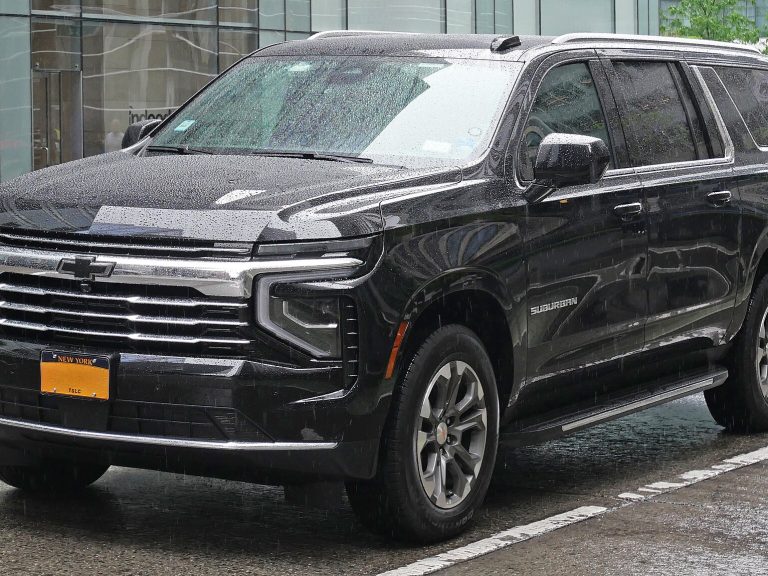
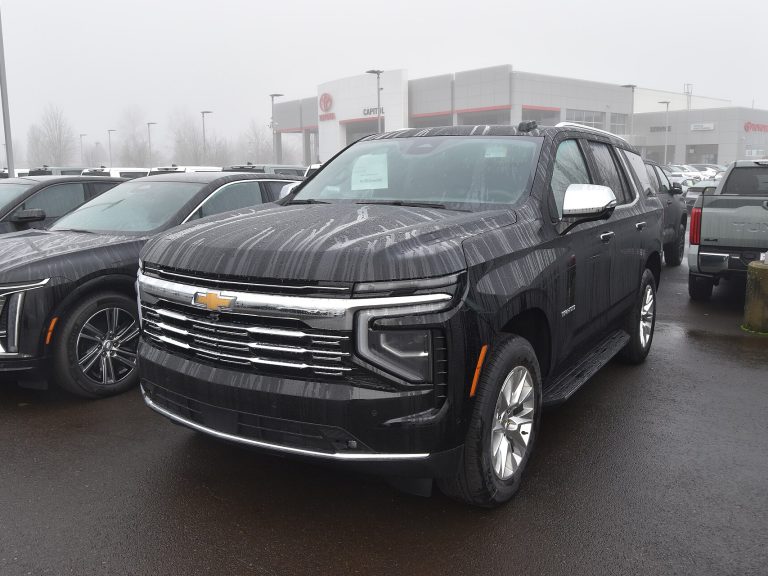
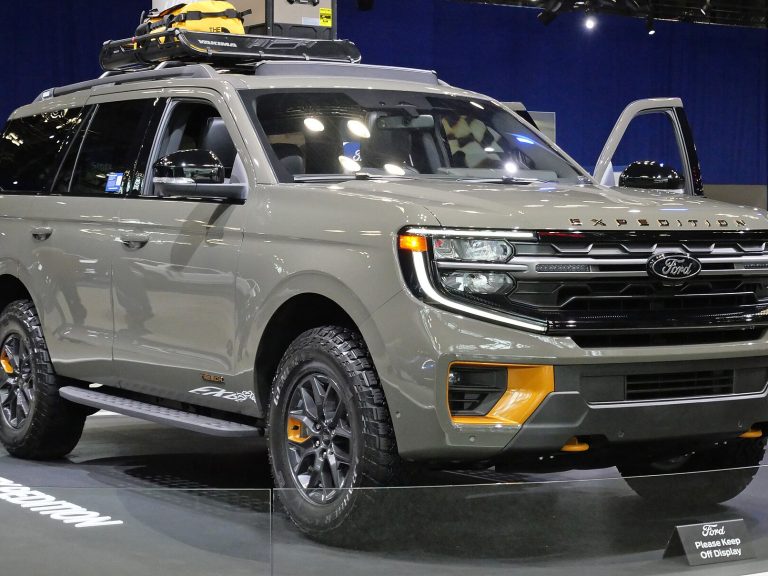
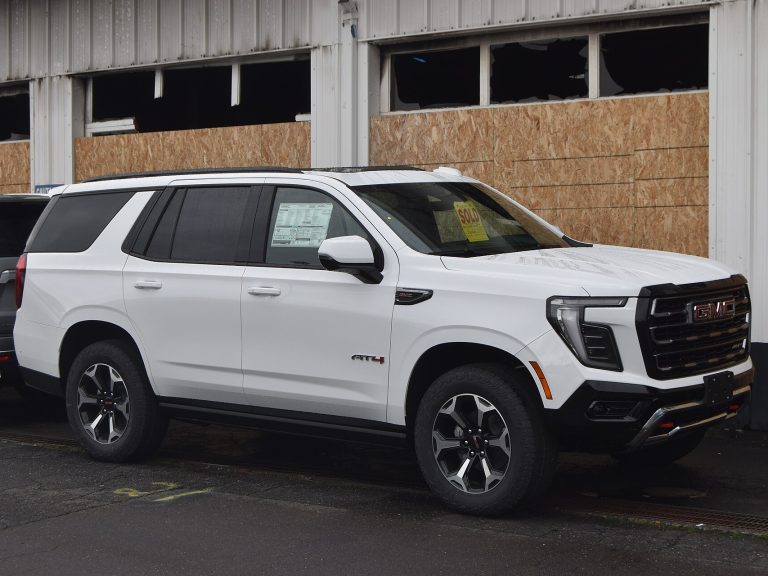
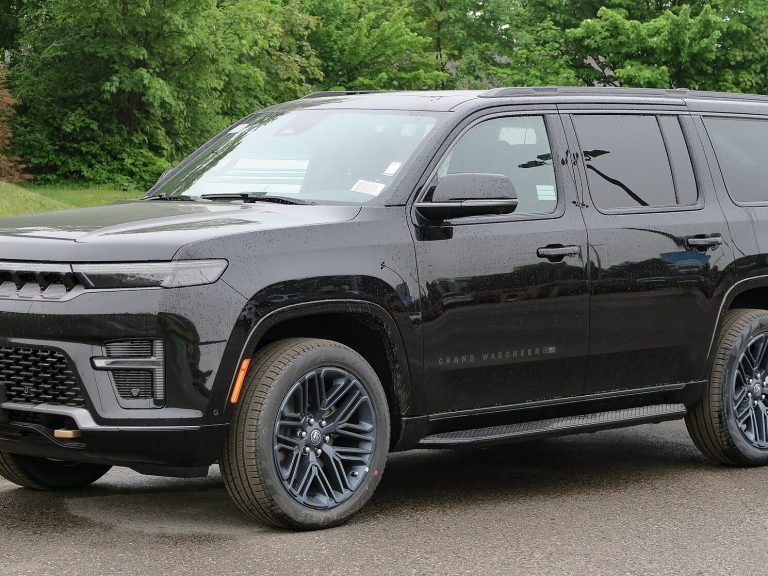
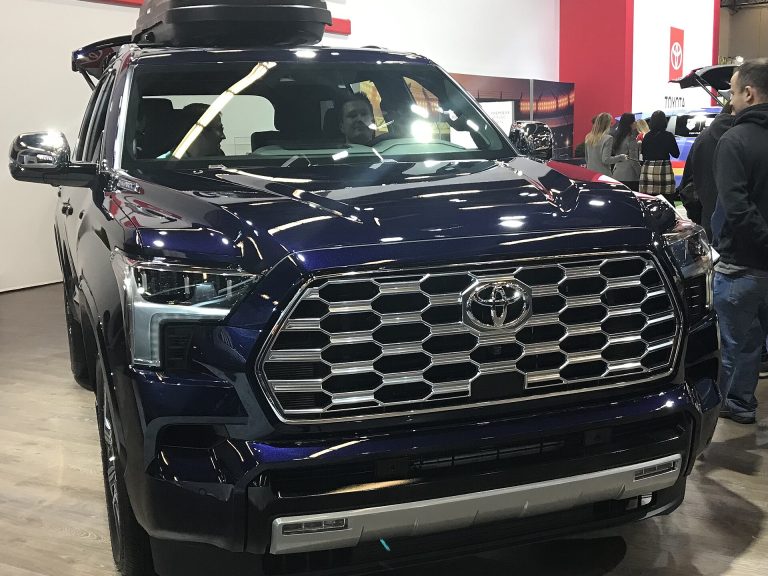
Full-size SUVs such as the Chevrolet Tahoe, Ford Expedition, Toyota Sequoia and Nissan Armada are built on pickup-truck foundations. That body-on-frame design is what gives them their towing ratings, their durability under heavy loads and a third row that can hold adults, and it is also why they feel larger and thirstier than any crossover.
Start with the job you need done. If you tow a travel trailer or a boat, compare the towing rating for the exact engine, drivetrain and trailering package you are considering, because the figure can shift noticeably between versions of the same model. Powertrains range from V8s to twin-turbocharged V6s and hybrid systems; torque tells you more than horsepower about how the SUV will feel with a trailer behind it.
Next, look at the length. Several models come in a regular and an extended version (the Suburban, the Yukon XL and the Expedition Max are examples). The longer body adds real cargo room behind the third row, which is the difference between a family road trip with luggage inside and one with a roof box. The trade-off is a vehicle that may not fit a standard garage or a tight parking space.
Rear suspension design matters more than it sounds. An independent rear setup usually allows a lower cargo floor and more third-row legroom than a solid axle, so check those figures rather than assuming every full-size SUV is equally roomy in back.
Finally, be realistic about running costs. Gas mileage is low across the class, four-wheel drive adds weight, and prices climb steeply from work-oriented base trims to heavily equipped top trims. If you rarely tow and mainly need seats, a three-row crossover or a minivan may cover you for less.
20 comparisons · 7 products
Products in This Class
Comparisons